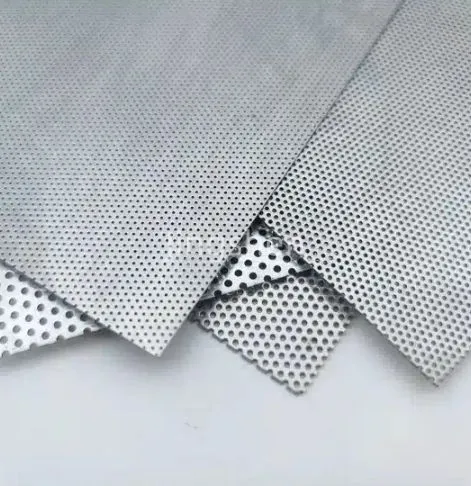

 Business License
Features of Metal Partition Screens
Metal partition screens are characterized by their uniform texture, rich colors, durability, and diverse shapes, and can be perfectly integrated with glass and stone curtain wall materials. They are lightweight, only one-fifth the weight of marble and one-third the weight of glass curtain walls, significantly reducing the load on the building structure and foundation. Furthermore, they have low maintenance costs and high cost-effectiveness.
Firstly, the processing technology for metal partition screens can be divided into two types: anodizing and electrostatic spraying. Anodized films are generally larger than 12 μm, and the colors are limited to bronze and white, resulting in a monotonous appearance and significant drawbacks. The color of each aluminum panel is different, and the overall effect of many curtain wall panels is unsightly.
This drawback cannot be eliminated, not because of the production process, but because the aluminum panels are not from the same batch, have slight differences in chemical composition, and the electrolyte current density during oxidation cannot be completely uniform. Therefore, the colors after anodizing vary, which may not be obvious in a single appearance, but becomes very noticeable when all are present. Therefore, anodizing is not a suitable surface treatment for aluminum panel curtain walls.
Curtain wall metal partition screens are generally made of 2-4mm thick aluminum alloy panels. During panel production, the sheet metal is first processed according to secondary design requirements, directly bent, and the four corners are welded into a tight groove. The back panel is then welded together using high pressure. Reinforcing bolts are used for fixing. After the metal panels are processed, they are sprayed with fluorocarbon paint.
Recently Posted
-
Sports Court Fence Selection and Usage Scenarios
August 3, 2026Sports court fencing is an essential facility in sports venues. Whether for football, basketball, tennis, or other sports, fencing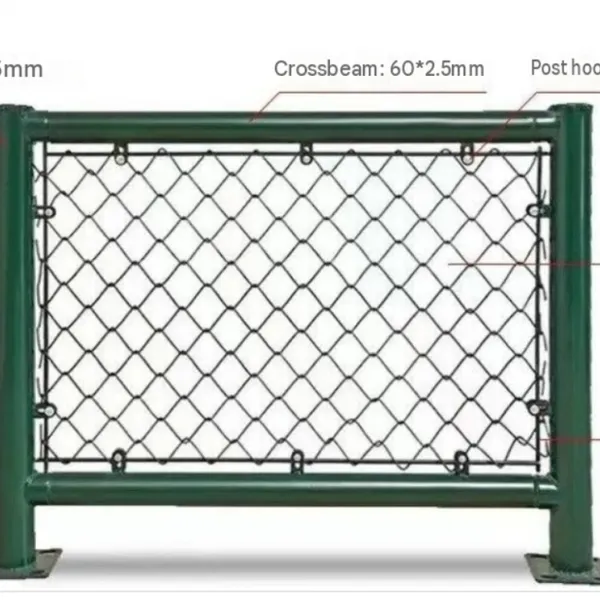 Read More
 -
How to Tighten Barbed Wire
May 19, 2026The core method for tightening barbed wire is to use a wire tensioner (also known as a wire tensioner) for mechanical stretching, combined with fixing measures to ensure sustained tension. The following are the specific operating steps and precautions, as introduced by Anping County Jingshen Metal Wire Mesh Products Co., Ltd.:Core Tools and PrinciplesTool Selection: The main tool used is a wire tensioner, which achieves preciRead More -
What Products Can Wire Mesh Welding Machines Weld?
May 19, 2026Wire mesh welding machines are mainly used for automatically welding wire mesh, reinforcing mesh, and other products, with applications covering multiple industries. Here is a summary of their main uses:Construction: Used to produce construction mesh (such as reinforcing mesh for floor slabs, walls, and bridge concrete pouring), plastering mesh, protective mesh, and scaffolding mesh, meeting the structural reinforcement needsRead More -
How to Use a Gas-Liquid Filter Mesh Knitting Machine
May 19, 2026Anping County Jingshen Metal Wire Mesh Products Co., Ltd. explains:A "gas-liquid filter mesh knitting machine" is not a consumer product, but rather a specialized industrial piece of equipment used to produce gas-liquid filter meshes (also known as defoaming mesh, foam trapping mesh, woven wire mesh, etc.). According to public information, this type of equipment is mainly used to manufacture filter materials woven fRead More

Contact Us

Recommended Products
-
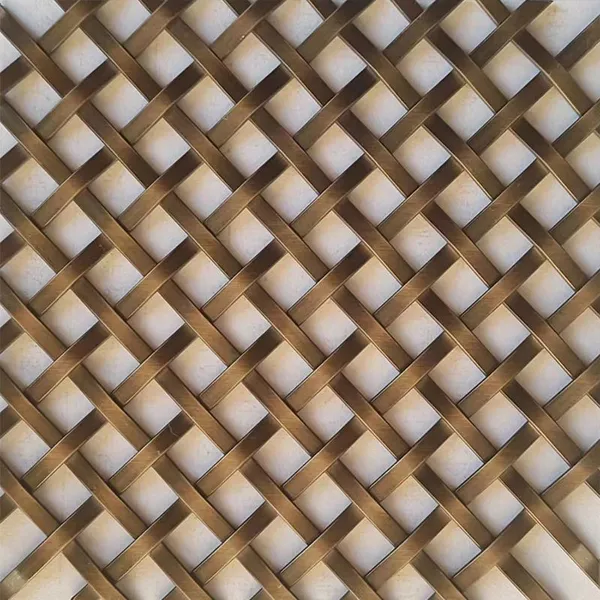
 Customized Color Bronze Decorative Stainless Steel Wire Mesh Metal Mesh for Furniture and Cabinet DoorUS$ 20 - 700MOQ: 1 Square Meter
 -
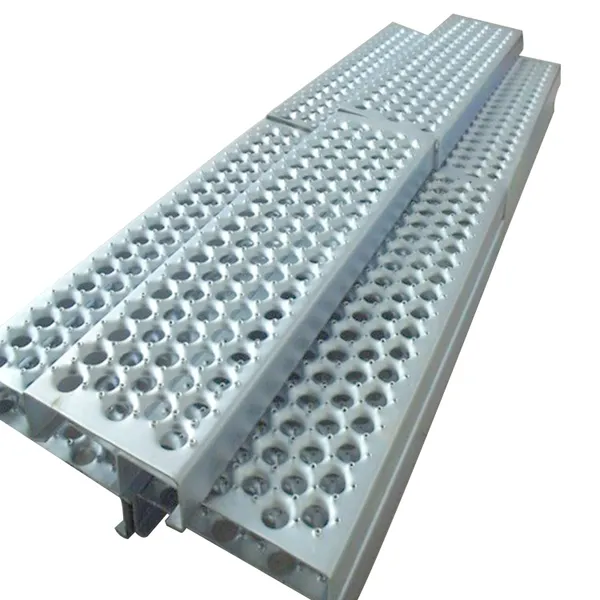
Perforated Mesh Walkway Stair Treads Work Platforms Stainless Steel Wire Punching Metal Plank Grating Sheets Custom CuttingUS$ 7 - 60MOQ: 1 Piece
-
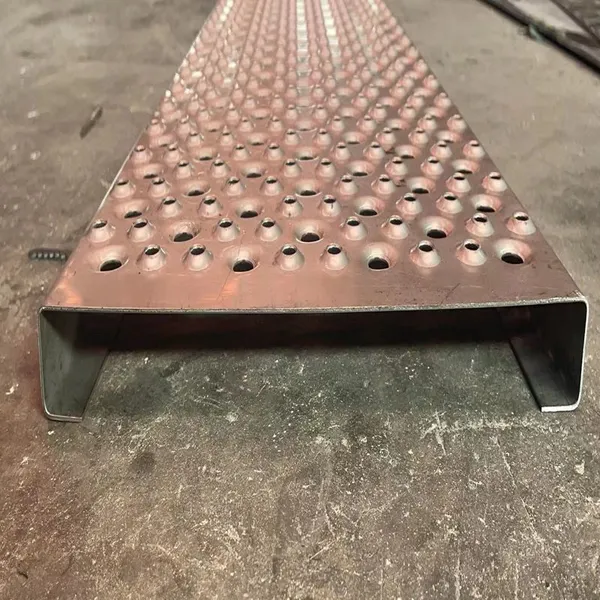
Galvanized Stainless Steel Corrosion-resistant Alligator Mouth and Fish Eye Round Hole Anti-slip Plate Perforating and Cutting Operation PlatformUS$ 20 - 100MOQ: 1 Piece
-
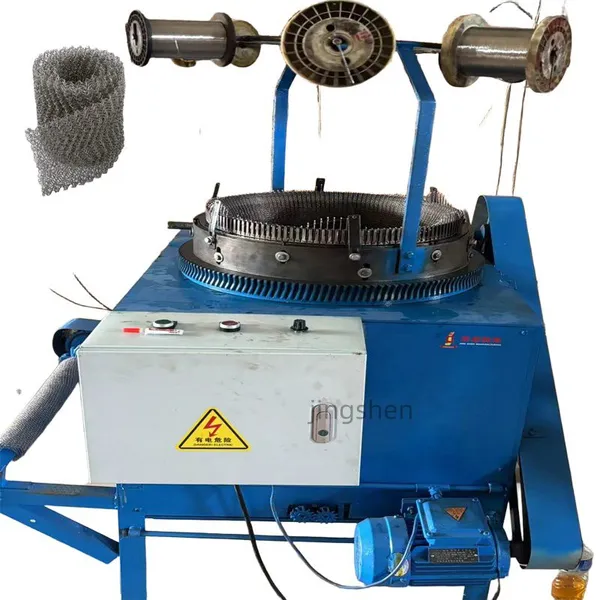
ODM & OEM High-quality Wire Mesh Gas and Liquid Filter Screen Weaving Machines and Wire Mesh Knitting Machinery, Lowest Prices.US$ 7142MOQ: 1 Unit
-
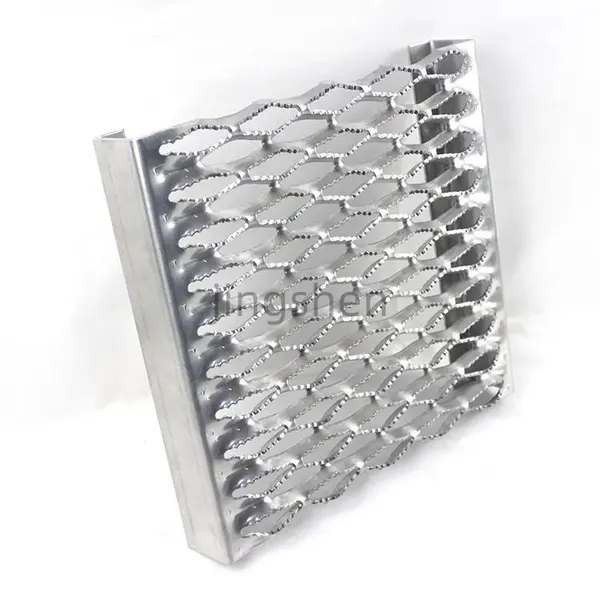
O-type Fisheye Perforated Corrosion-resistant Alligator Mouth Anti-slip Welded Plate Grip Bracket Grid, Suitable for Outdoor WalkwaysUS$ 20 - 100MOQ: 1 Piece
-
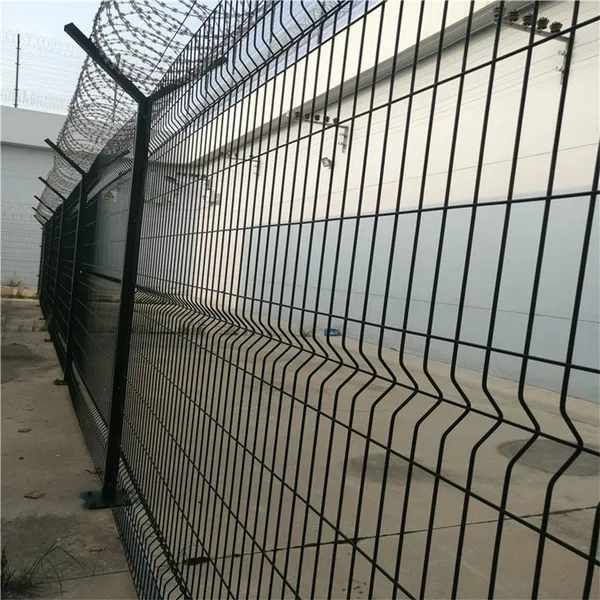
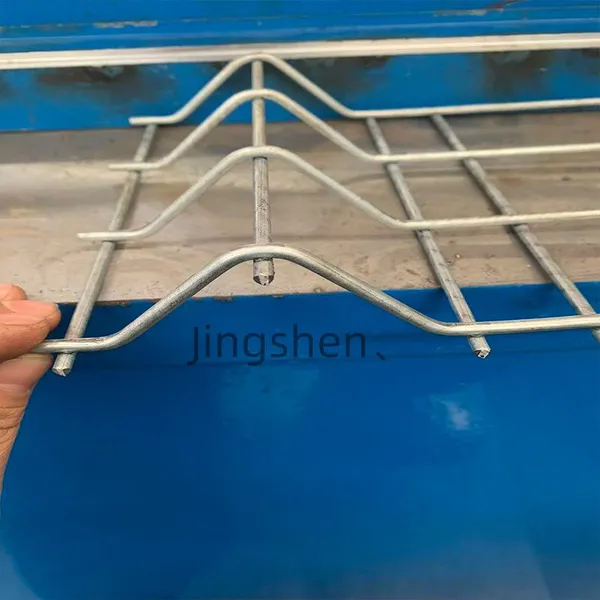
358 Welded Metal Wire Mesh Fence, Powder Coated Anti-climb, Hot-dip Galvanized Curved FenceUS$ 10 - 700MOQ: 1 Meter
-
O-type Fisheye Perforated Corrosion-resistant Alligator Mouth Anti-slip Welded Plate Grip Bracket Grid, Suitable for Outdoor WalkwaysUS$ 20 - 100MOQ: 1 Piece
-
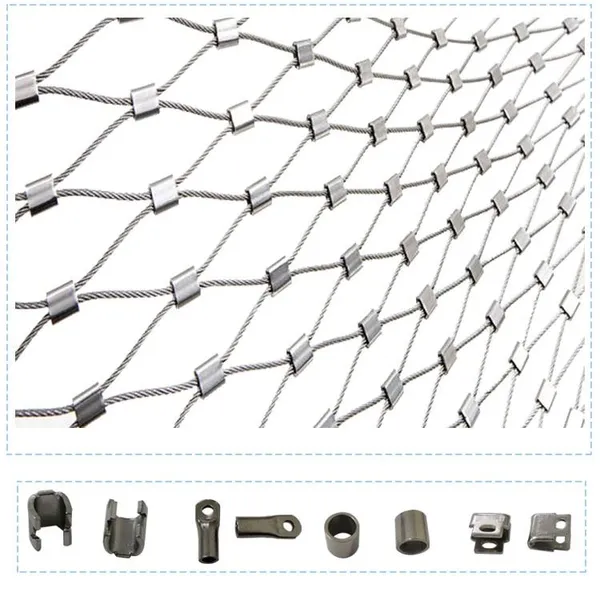
Flexible Stainless Steel Wire Rope Mesh, Woven Zoo Aviary Netting, Stainless Steel Cable Sheath, Elegant Stainless Steel Rope NettingUS$ 7 - 100MOQ: 1 Square Meter
-
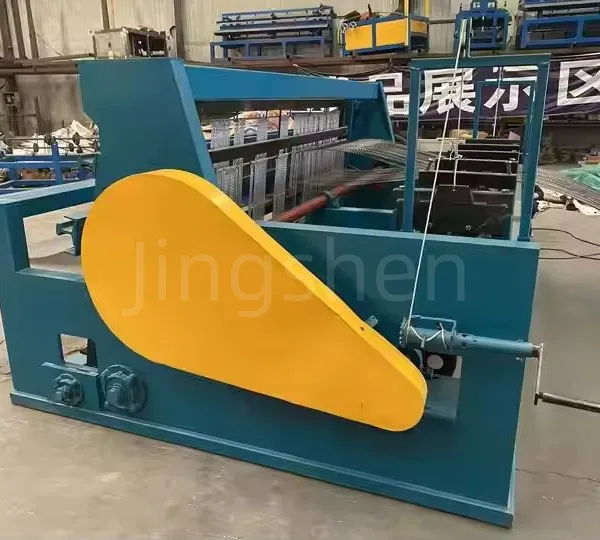
China's High-speed Automatic Vibrating Screen Embossing and Bending Wire Mesh Weaving MachineUS$ 12000MOQ: 1 Piece
-
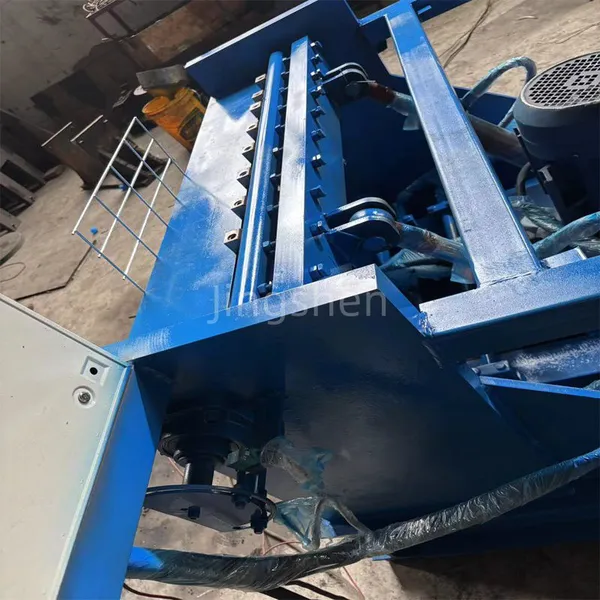
3D Fence Panel Manual Steel Plate 4mm Hydraulic Bending MachineUS$ 2900 - 100000MOQ: 1 Unit
-
Promotional Matte Gold Metallic Sequin ClothingUS$ 28 - 100MOQ: 1 Square Meter
-
Semi Automatic Crimped Wire Mesh Metal Sieve Net Vibrating Screen Weaving Machine With Factory PriceUS$ 12000MOQ: 1 Piece
-
New Type of 3D Fence Panel Heavy-duty Welding Wire Mesh Bending MachineUS$ 2900 - 100000MOQ: 1 Unit
-
Decorative Woven Brass and Stainless Steel Crimped Wire Mesh, Offering Bending, Cutting, and Welding Services.US$ 20 - 700MOQ: 1 Square Meter
-
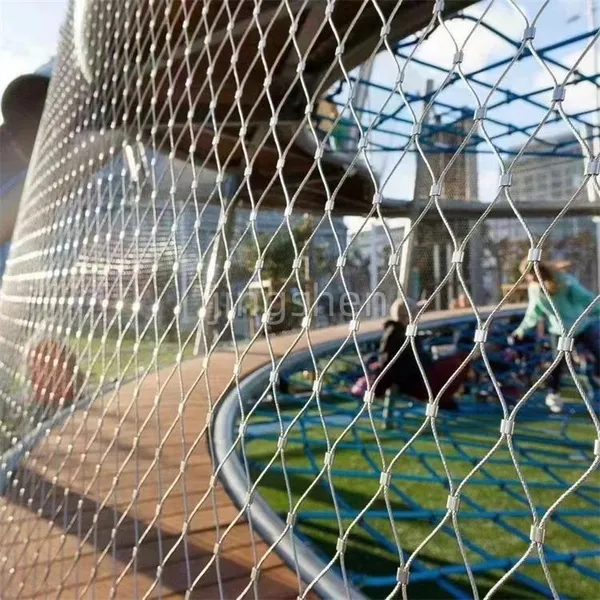
X-Tend Safety Netting, 304/316 Stainless Steel Wire Rope Mesh, Suitable for Zoo Enclosure Fencing, Providing Tight Protection.US$ 7 - 100MOQ: 1 Square Meter
-
Galvanized Steel Grating for Driveways, Heavy-duty Metal Building Materials, Galvanized Steel Grating for Sidewalks, Heavy-duty Steel GratingUS$ 20 - 1000MOQ: 1 Blade
-
Galvanized Grating/Sidewall Steel Grating 400/600/Compression-locked Steel GratingUS$ 20 - 1000MOQ: 1 Blade
-
500 Meters per Roll, Low-priced Barbed Wire for Prison Use, Hot-dip Galvanized Barbed Wire.US$ 7 - 700MOQ: 1 Meter
-
Hot-dip Galvanized Razor Wire, BTO-12, CBT-65, Safety Razor Wire, Rust-proof, 0.5mm Blade Thickness, Fence RollUS$ 7 - 700MOQ: 1 Meter
-
Aluminum Wall Vent Cover With Perforated Metal Mesh Panel With Round Holes to Prevent Rodents From Entering the HouseUS$ 55 - 100MOQ: 1 Blade