
 Business License
What kind of anti-slip plates are best for offshore platforms?
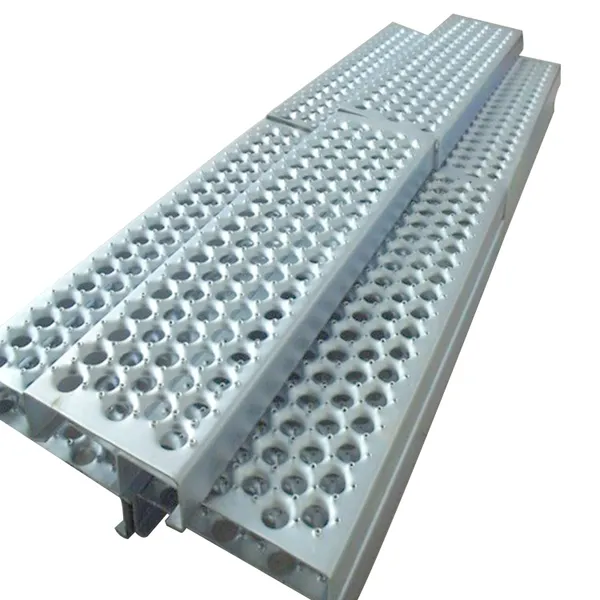
Perforated stainless steel anti-slip plates are the ideal material for offshore operation platforms. They offer superior resistance to salt spray corrosion, excellent slip resistance, rapid drainage, lightweight yet high strength, and require no maintenance, significantly improving platform safety and service life.
I. Core Advantages Explained
1. Ultimate Resistance to Marine Corrosion (Most Crucial)
Material Advantage: Made from premium 316/316L stainless steel containing molybdenum, offering extremely strong resistance to seawater chloride ions, salt spray, and sea wind corrosion, far superior to carbon steel and 304 stainless steel.
Long-Term Stability: Does not rust or peel in high humidity and high salt spray environments, requiring no frequent anti-corrosion coatings, with a lifespan of 15-20 years.
No Maintenance Costs: Avoids the high costs and downtime risks associated with traditional steel plate rust removal and painting.
2. All-Weather Anti-Slip Safety (Critical):
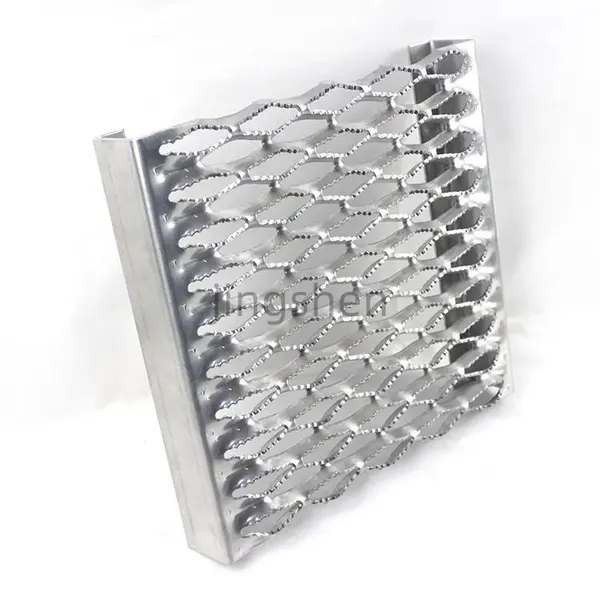
3D Anti-Slip Structure: Perforated edges create raised teeth/perforation (like alligator mouth or bulges), significantly increasing the coefficient of friction and providing reliable grip even in wet, oily, or icy conditions.
Complies with Safety Standards: Meets API RP 54, NORSOK R-002, and other marine platform anti-slip specifications, with a dynamic coefficient of friction ≥0.5.
Reduces Accidents: Effectively reduces the risk of personnel slipping and equipment displacement, ensuring operational safety.
3. Rapid Drainage and Ventilation (Prevents Secondary Slippage):
Perforation Design: Dense perforations allow seawater, rainwater, and oil to drain instantly, preventing water and liquid accumulation and eliminating the risk of slippage at its source.
Ventilation and Weight Reduction: Perforations facilitate airflow, reducing moisture buildup at the platform bottom; compared to solid panels, weight is reduced by 30%-50%, lowering platform load-bearing capacity and foundation costs.
4. High Strength and Durability (Suitable for Heavy Loads)
Mechanical Properties: Stainless steel boasts high strength, impact resistance, and wear resistance, capable of withstanding heavy equipment, frequent foot traffic, and wave impacts.
Structural Stability: One-piece molding with no weak weld points ensures long-term use without deformation or cracking.
Fatigue Resistance: Adaptable to platform swaying and vibration, with a long metal fatigue life.
5. Easy Cleaning and Low Maintenance (Cost Reduction and Efficiency Improvement)
Easy-to-Clean Surface: The smooth stainless steel surface allows for easy washing of oil and salt stains; high-pressure water provides rapid cleaning.
No Dead Angles for Scale Accumulation: The perforated structure eliminates grooves that accumulate scale, reducing microbial growth and corrosion sources.
Convenient Installation: Standardized dimensions simplify cutting, welding, and installation, adapting to complex platform layouts.
II. Comparison with Other Materials (Offshore Platform Scenarios)
Table: Comparison Items: Stainless Steel Perforated Anti-slip Plate, Hot-dip Galvanized Carbon Steel Anti-slip Plate, Aluminum Alloy Anti-slip Plate, Rubber Anti-slip Plate
III. Applicable Scenarios: Main walkways, ladders, operating platforms; Oil-contaminated areas such as drilling decks, pump rooms, and engine rooms; Helicopter platform perimeter, jetties, and boarding stairs; Seawater treatment areas and chemical storage areas.
In summary, stainless steel perforated anti-slip plates, with their five core advantages of corrosion resistance, slip resistance, drainage, durability, and low maintenance, perfectly match the harsh environment of offshore operating platforms, making them the optimal choice for ensuring safety and reducing total life-cycle costs.
Recently Posted
-
How to Tighten Barbed Wire
May 19, 2026The core method for tightening barbed wire is to use a wire tensioner (also known as a wire tensioner) for mechanical stretching, combined with fixing measures to ensure sustained tension. The following are the specific operating steps and precautions, as introduced by Anping County Jingshen Metal Wire Mesh Products Co., Ltd.:Core Tools and PrinciplesTool Selection: The main tool used is a wire tensioner, which achieves preciRead More -
What Products Can Wire Mesh Welding Machines Weld?
May 19, 2026Wire mesh welding machines are mainly used for automatically welding wire mesh, reinforcing mesh, and other products, with applications covering multiple industries. Here is a summary of their main uses:Construction: Used to produce construction mesh (such as reinforcing mesh for floor slabs, walls, and bridge concrete pouring), plastering mesh, protective mesh, and scaffolding mesh, meeting the structural reinforcement needsRead More -
How to Use a Gas-Liquid Filter Mesh Knitting Machine
May 19, 2026Anping County Jingshen Metal Wire Mesh Products Co., Ltd. explains:A "gas-liquid filter mesh knitting machine" is not a consumer product, but rather a specialized industrial piece of equipment used to produce gas-liquid filter meshes (also known as defoaming mesh, foam trapping mesh, woven wire mesh, etc.). According to public information, this type of equipment is mainly used to manufacture filter materials woven fRead More -
Common Problems and Solutions for Metal Curtain Wall Mesh
May 18, 2026The following are some common problems with metal curtain wall mesh and their solutions:1. Coating Peeling or Rusting: If bulges, discoloration, or a small piece of paint can be peeled off the surface of the metal curtain wall mesh, it may indicate aging of the anti-corrosion layer. In this case, first check the underlying metal for corrosion; otherwise, repainting will be ineffective. If loose screws are found, gently shakinRead More

Contact Us

Recommended Products
-
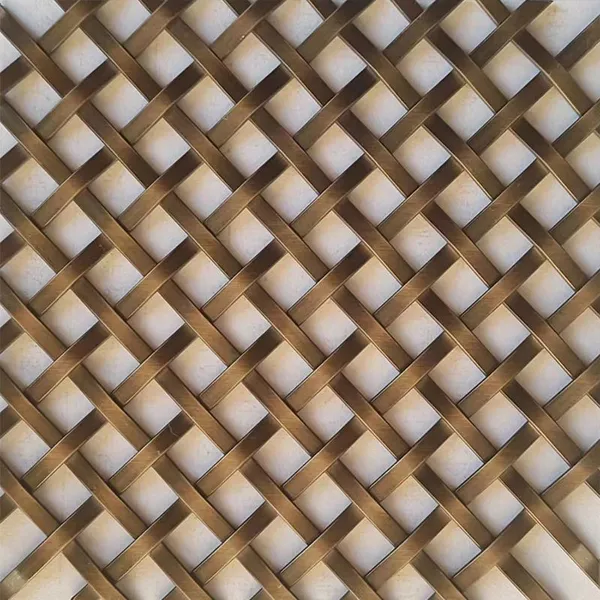
 Customized Color Bronze Decorative Stainless Steel Wire Mesh Metal Mesh for Furniture and Cabinet DoorUS$ 20 - 700MOQ: 1 Square Meter
 -
Perforated Mesh Walkway Stair Treads Work Platforms Stainless Steel Wire Punching Metal Plank Grating Sheets Custom CuttingUS$ 7 - 60MOQ: 1 Piece
-
Galvanized Stainless Steel Corrosion-resistant Alligator Mouth and Fish Eye Round Hole Anti-slip Plate Perforating and Cutting Operation PlatformUS$ 20 - 100MOQ: 1 Piece
-
ODM & OEM High-quality Wire Mesh Gas and Liquid Filter Screen Weaving Machines and Wire Mesh Knitting Machinery, Lowest Prices.US$ 7142MOQ: 1 Unit
-
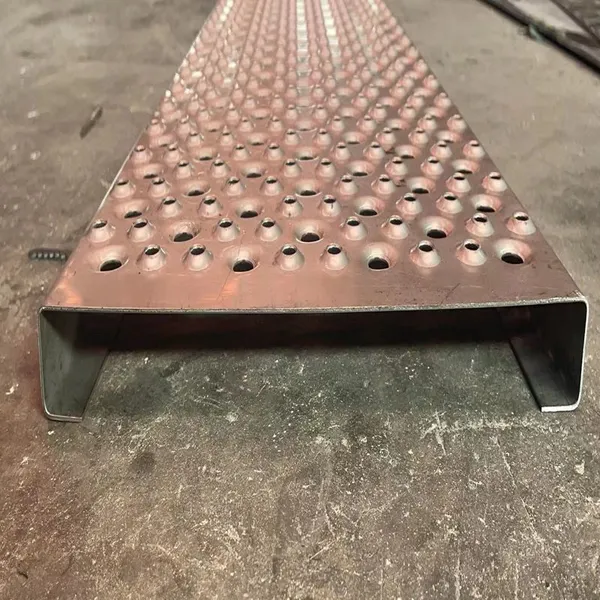
O-type Fisheye Perforated Corrosion-resistant Alligator Mouth Anti-slip Welded Plate Grip Bracket Grid, Suitable for Outdoor WalkwaysUS$ 20 - 100MOQ: 1 Piece
-
358 Welded Metal Wire Mesh Fence, Powder Coated Anti-climb, Hot-dip Galvanized Curved FenceUS$ 10 - 700MOQ: 1 Meter
-
O-type Fisheye Perforated Corrosion-resistant Alligator Mouth Anti-slip Welded Plate Grip Bracket Grid, Suitable for Outdoor WalkwaysUS$ 20 - 100MOQ: 1 Piece
-
Flexible Stainless Steel Wire Rope Mesh, Woven Zoo Aviary Netting, Stainless Steel Cable Sheath, Elegant Stainless Steel Rope NettingUS$ 7 - 100MOQ: 1 Square Meter
-
China's High-speed Automatic Vibrating Screen Embossing and Bending Wire Mesh Weaving MachineUS$ 12000MOQ: 1 Piece
-
3D Fence Panel Manual Steel Plate 4mm Hydraulic Bending MachineUS$ 2900 - 100000MOQ: 1 Unit
-
Promotional Matte Gold Metallic Sequin ClothingUS$ 28 - 100MOQ: 1 Square Meter
-
Semi Automatic Crimped Wire Mesh Metal Sieve Net Vibrating Screen Weaving Machine With Factory PriceUS$ 12000MOQ: 1 Piece
-
New Type of 3D Fence Panel Heavy-duty Welding Wire Mesh Bending MachineUS$ 2900 - 100000MOQ: 1 Unit
-
Decorative Woven Brass and Stainless Steel Crimped Wire Mesh, Offering Bending, Cutting, and Welding Services.US$ 20 - 700MOQ: 1 Square Meter
-
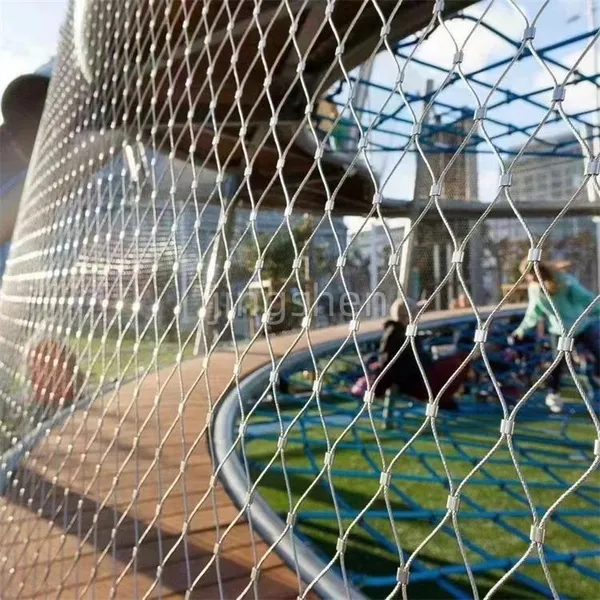
X-Tend Safety Netting, 304/316 Stainless Steel Wire Rope Mesh, Suitable for Zoo Enclosure Fencing, Providing Tight Protection.US$ 7 - 100MOQ: 1 Square Meter
-
Galvanized Steel Grating for Driveways, Heavy-duty Metal Building Materials, Galvanized Steel Grating for Sidewalks, Heavy-duty Steel GratingUS$ 20 - 1000MOQ: 1 Blade
-
Galvanized Grating/Sidewall Steel Grating 400/600/Compression-locked Steel GratingUS$ 20 - 1000MOQ: 1 Blade
-
500 Meters per Roll, Low-priced Barbed Wire for Prison Use, Hot-dip Galvanized Barbed Wire.US$ 7 - 700MOQ: 1 Meter
-
Hot-dip Galvanized Razor Wire, BTO-12, CBT-65, Safety Razor Wire, Rust-proof, 0.5mm Blade Thickness, Fence RollUS$ 7 - 700MOQ: 1 Meter
-
Aluminum Wall Vent Cover With Perforated Metal Mesh Panel With Round Holes to Prevent Rodents From Entering the HouseUS$ 55 - 100MOQ: 1 Blade