
 Business License
Common Problems and Solutions for Metal Curtain Wall Mesh
The following are some common problems with metal curtain wall mesh and their solutions:
1. Coating Peeling or Rusting: If bulges, discoloration, or a small piece of paint can be peeled off the surface of the metal curtain wall mesh, it may indicate aging of the anti-corrosion layer. In this case, first check the underlying metal for corrosion; otherwise, repainting will be ineffective. If loose screws are found, gently shaking the curtain wall panel will cause significant shaking or abnormal noise, indicating that the screws may be loose and need to be tightened.
2. Temperature Difference Deformation: Metal expands and contracts significantly with temperature changes, especially in seasons with large temperature differences. If the joints of the curtain wall suddenly widen or deform, it may be because insufficient expansion joints were left during installation. This situation requires adjustment by a professional team; attempting to pry it open yourself may worsen the problem.
3. Water Leakage: Leaks in metal curtain wall mesh can be caused by substandard aluminum profiles, improper sealant application, and broken or spontaneously shattered glass. Substandard surface treatment of the aluminum profiles, insufficient strength, or inappropriate sealant selection can all lead to leaks. Addressing these issues requires ensuring the aluminum frame is installed horizontally and vertically during construction, using weather-resistant sealant, and regularly maintaining the sealant strips.
4. Uneven Joints: Poorly sealed, uneven joints, air bubbles, and water seepage may be due to uneven pressure during caulking or poor sealant quality. Solutions include selecting high-quality sealant, ensuring skilled caulking techniques, maintaining even pressure, and promptly addressing air bubbles and water seepage.
5. Surface Contamination and Unevenness: Surface contamination and unevenness may be due to premature removal of the protective film or improper protection of the product during subsequent construction processes. Solutions include avoiding premature removal of the protective film, developing feasible product protection measures, and promptly cleaning up contaminated areas.
For inquiries, please contact Anping County Jingshen Metal Wire Mesh Products Co., Ltd.
Recently Posted
-
Features of Metal Partition Screens
August 3, 2026Metal partition screens are characterized by their uniform texture, rich colors, durability, and diverse shapes, and can be perfec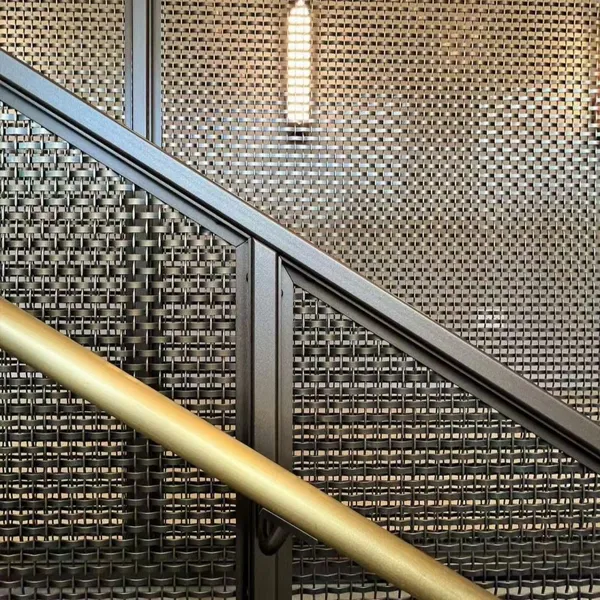 Read More
 -
Sports Court Fence Selection and Usage Scenarios
August 3, 2026Sports court fencing is an essential facility in sports venues. Whether for football, basketball, tennis, or other sports, fencing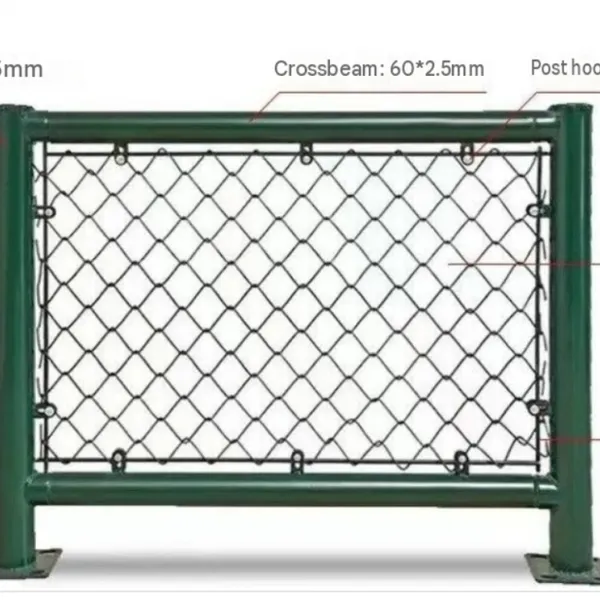 Read More
 -
How to Tighten Barbed Wire
May 19, 2026The core method for tightening barbed wire is to use a wire tensioner (also known as a wire tensioner) for mechanical stretching, combined with fixing measures to ensure sustained tension. The following are the specific operating steps and precautions, as introduced by Anping County Jingshen Metal Wire Mesh Products Co., Ltd.:Core Tools and PrinciplesTool Selection: The main tool used is a wire tensioner, which achieves preciRead More -
What Products Can Wire Mesh Welding Machines Weld?
May 19, 2026Wire mesh welding machines are mainly used for automatically welding wire mesh, reinforcing mesh, and other products, with applications covering multiple industries. Here is a summary of their main uses:Construction: Used to produce construction mesh (such as reinforcing mesh for floor slabs, walls, and bridge concrete pouring), plastering mesh, protective mesh, and scaffolding mesh, meeting the structural reinforcement needsRead More

Contact Us

Recommended Products
-
 Customized Color Bronze Decorative Stainless Steel Wire Mesh Metal Mesh for Furniture and Cabinet DoorUS$ 20 - 700MOQ: 1 Square Meter
 -
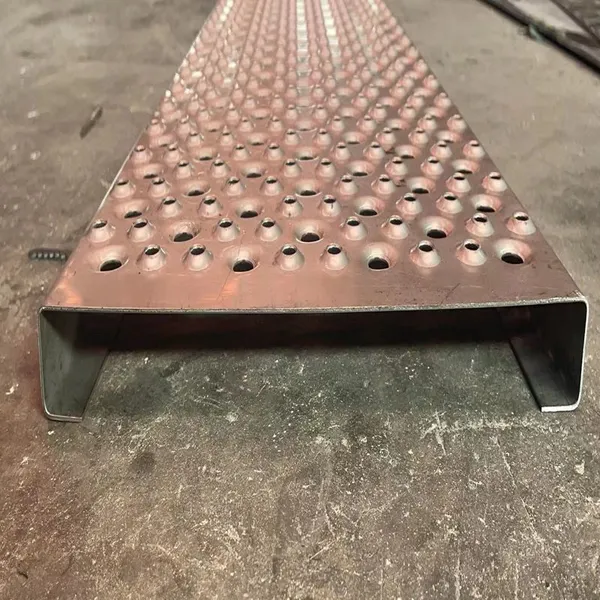
Perforated Mesh Walkway Stair Treads Work Platforms Stainless Steel Wire Punching Metal Plank Grating Sheets Custom CuttingUS$ 7 - 60MOQ: 1 Piece
-
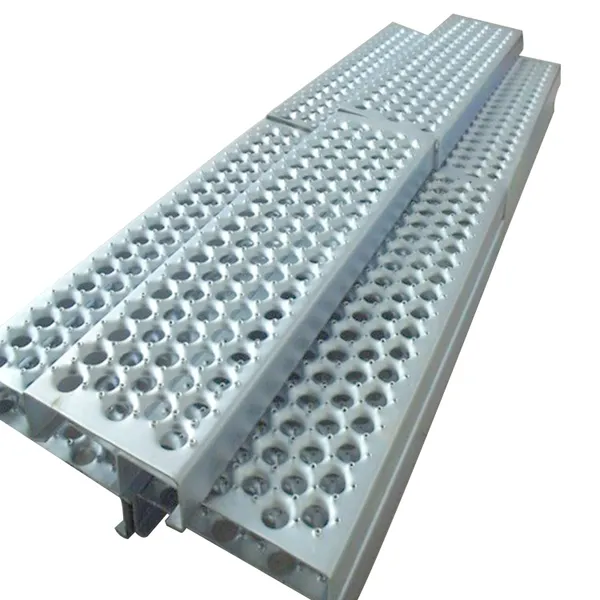
Galvanized Stainless Steel Corrosion-resistant Alligator Mouth and Fish Eye Round Hole Anti-slip Plate Perforating and Cutting Operation PlatformUS$ 20 - 100MOQ: 1 Piece
-
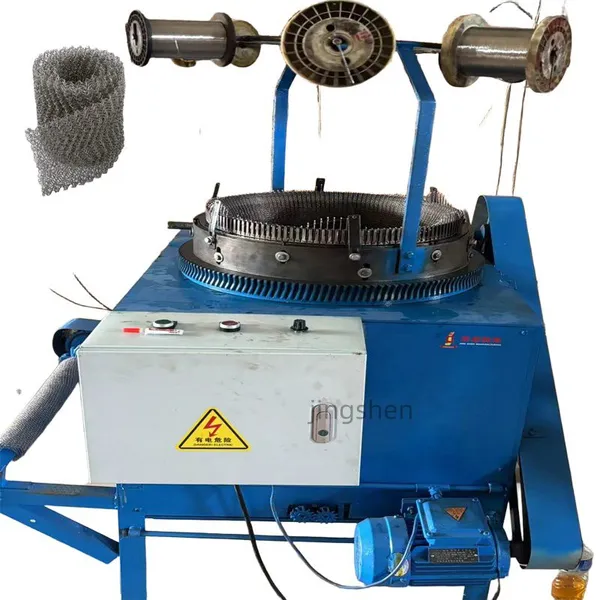
ODM & OEM High-quality Wire Mesh Gas and Liquid Filter Screen Weaving Machines and Wire Mesh Knitting Machinery, Lowest Prices.US$ 7142MOQ: 1 Unit
-
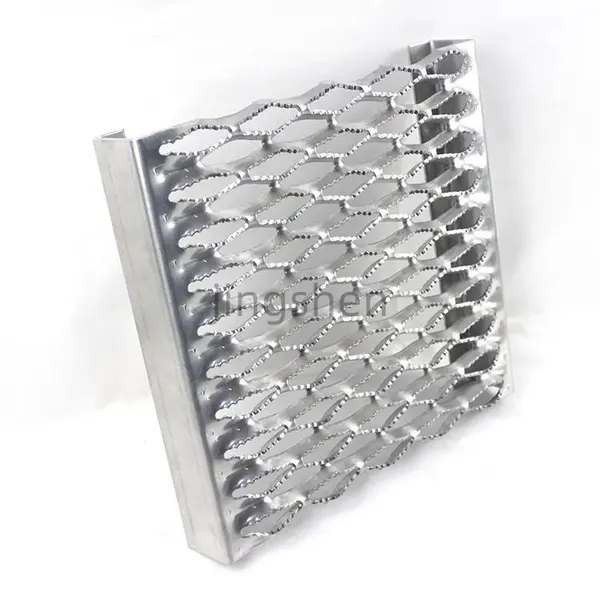
O-type Fisheye Perforated Corrosion-resistant Alligator Mouth Anti-slip Welded Plate Grip Bracket Grid, Suitable for Outdoor WalkwaysUS$ 20 - 100MOQ: 1 Piece
-
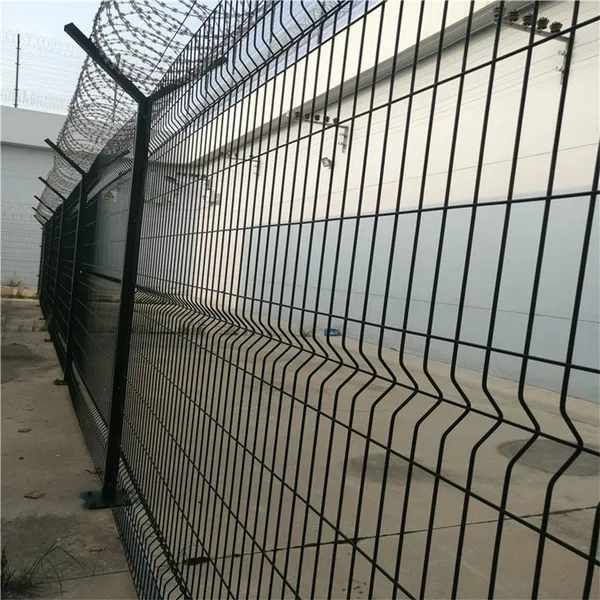
358 Welded Metal Wire Mesh Fence, Powder Coated Anti-climb, Hot-dip Galvanized Curved FenceUS$ 10 - 700MOQ: 1 Meter
-
O-type Fisheye Perforated Corrosion-resistant Alligator Mouth Anti-slip Welded Plate Grip Bracket Grid, Suitable for Outdoor WalkwaysUS$ 20 - 100MOQ: 1 Piece
-
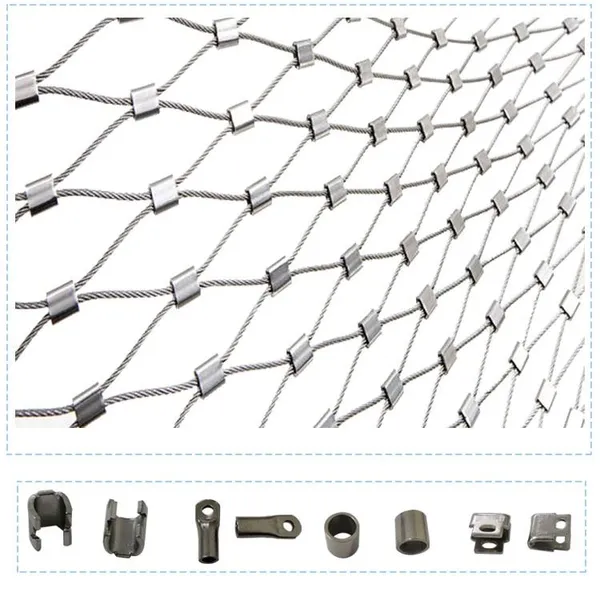
Flexible Stainless Steel Wire Rope Mesh, Woven Zoo Aviary Netting, Stainless Steel Cable Sheath, Elegant Stainless Steel Rope NettingUS$ 7 - 100MOQ: 1 Square Meter
-
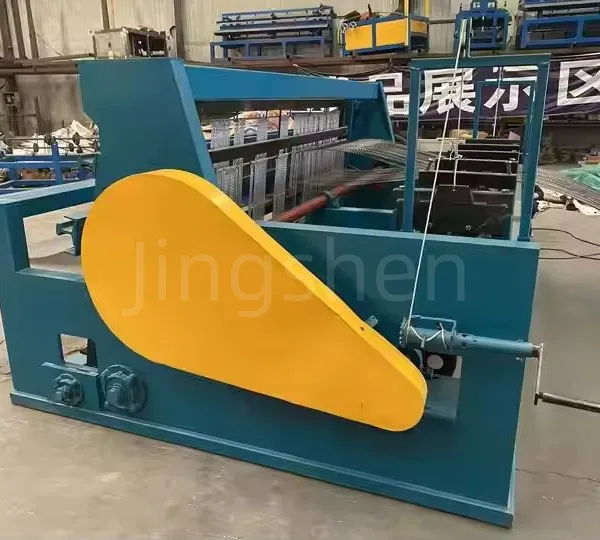
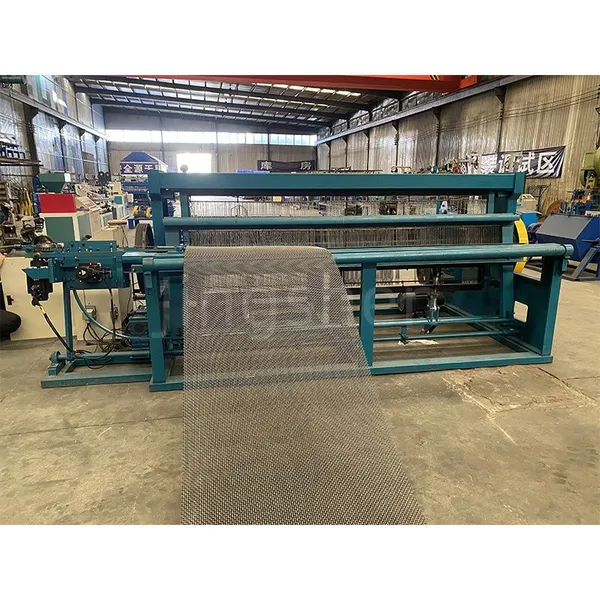
China's High-speed Automatic Vibrating Screen Embossing and Bending Wire Mesh Weaving MachineUS$ 12000MOQ: 1 Piece
-
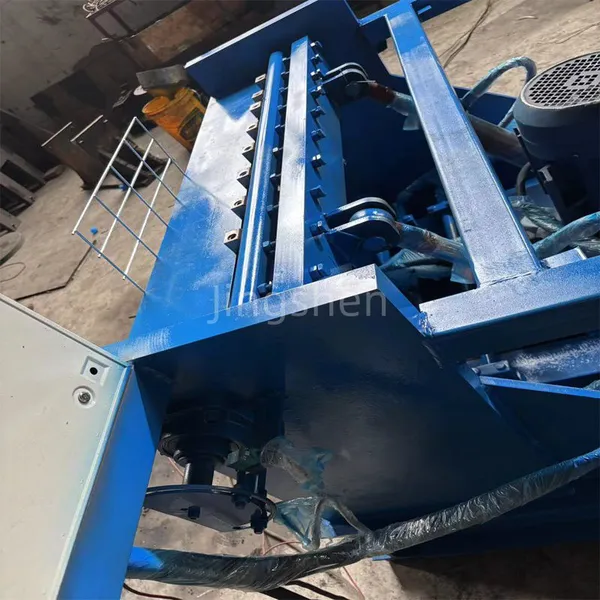
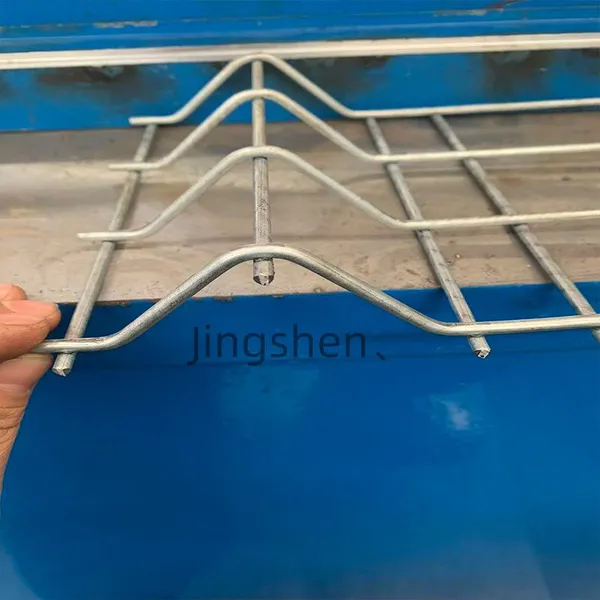
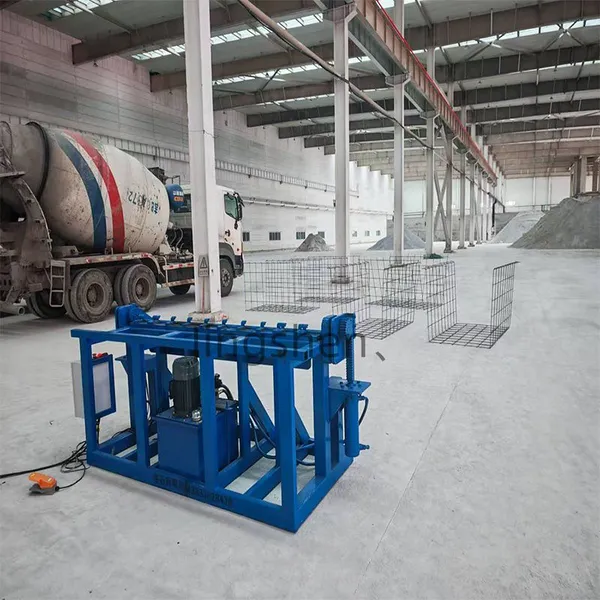
3D Fence Panel Manual Steel Plate 4mm Hydraulic Bending MachineUS$ 2900 - 100000MOQ: 1 Unit
-
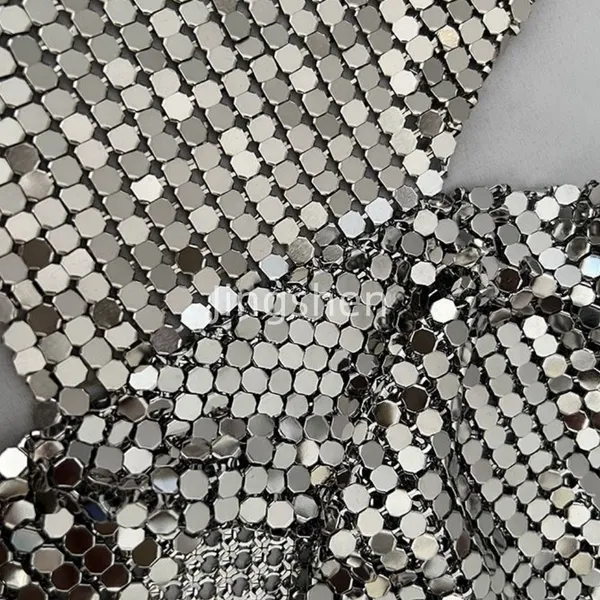
Promotional Matte Gold Metallic Sequin ClothingUS$ 28 - 100MOQ: 1 Square Meter
-
Semi Automatic Crimped Wire Mesh Metal Sieve Net Vibrating Screen Weaving Machine With Factory PriceUS$ 12000MOQ: 1 Piece
-
New Type of 3D Fence Panel Heavy-duty Welding Wire Mesh Bending MachineUS$ 2900 - 100000MOQ: 1 Unit
-
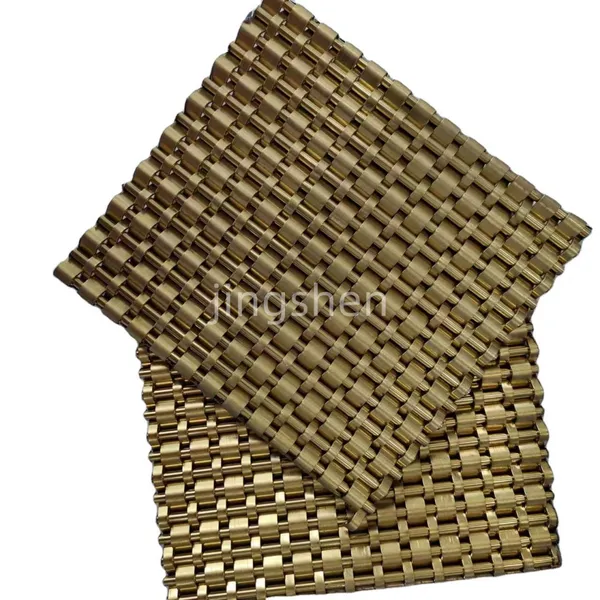
Decorative Woven Brass and Stainless Steel Crimped Wire Mesh, Offering Bending, Cutting, and Welding Services.US$ 20 - 700MOQ: 1 Square Meter
-
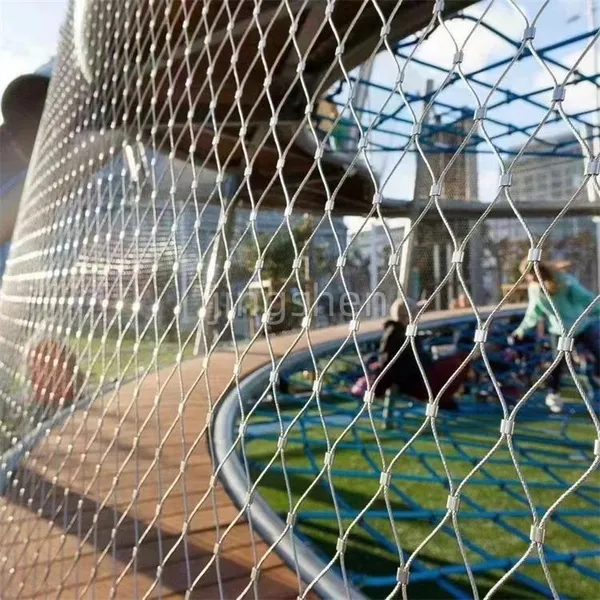
X-Tend Safety Netting, 304/316 Stainless Steel Wire Rope Mesh, Suitable for Zoo Enclosure Fencing, Providing Tight Protection.US$ 7 - 100MOQ: 1 Square Meter
-
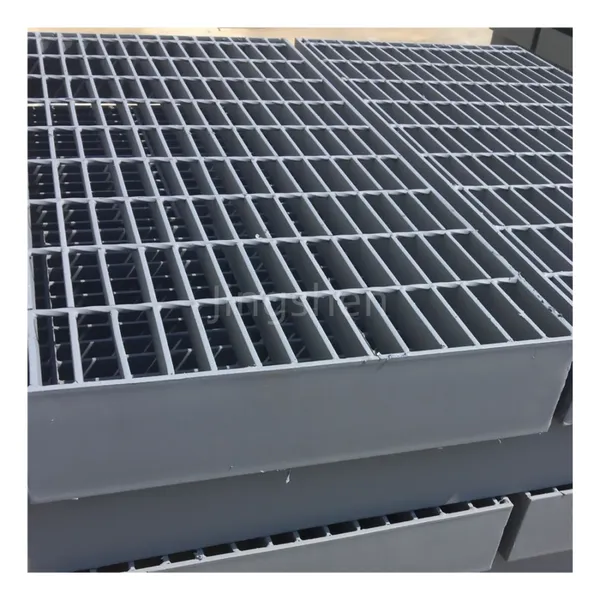
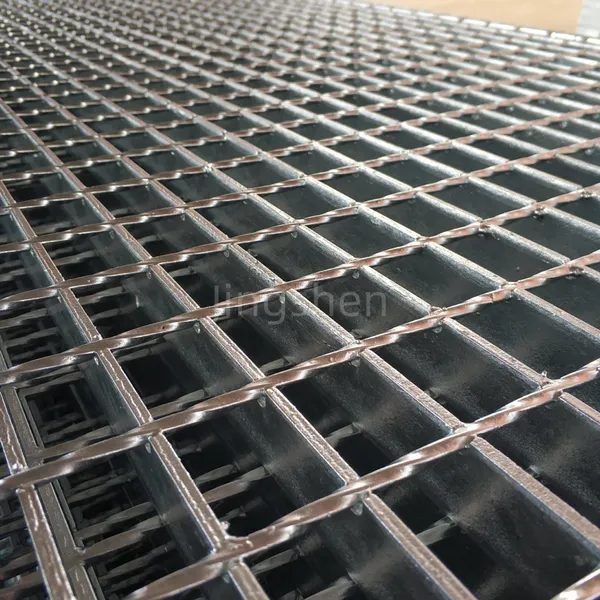
Galvanized Steel Grating for Driveways, Heavy-duty Metal Building Materials, Galvanized Steel Grating for Sidewalks, Heavy-duty Steel GratingUS$ 20 - 1000MOQ: 1 Blade
-
Galvanized Grating/Sidewall Steel Grating 400/600/Compression-locked Steel GratingUS$ 20 - 1000MOQ: 1 Blade
-
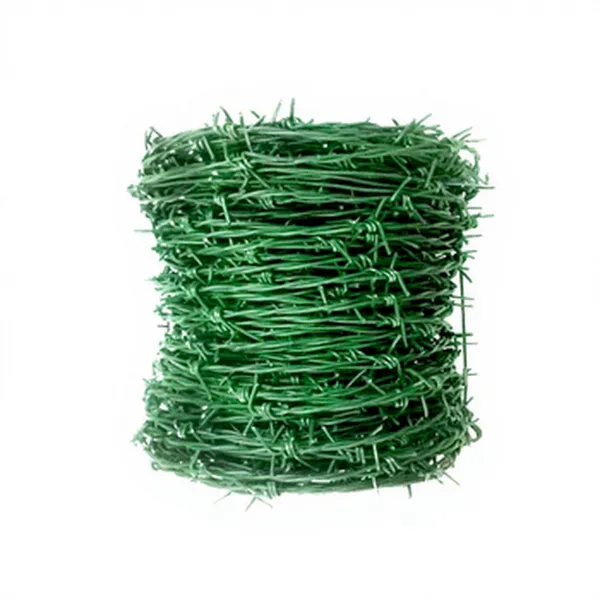
500 Meters per Roll, Low-priced Barbed Wire for Prison Use, Hot-dip Galvanized Barbed Wire.US$ 7 - 700MOQ: 1 Meter
-
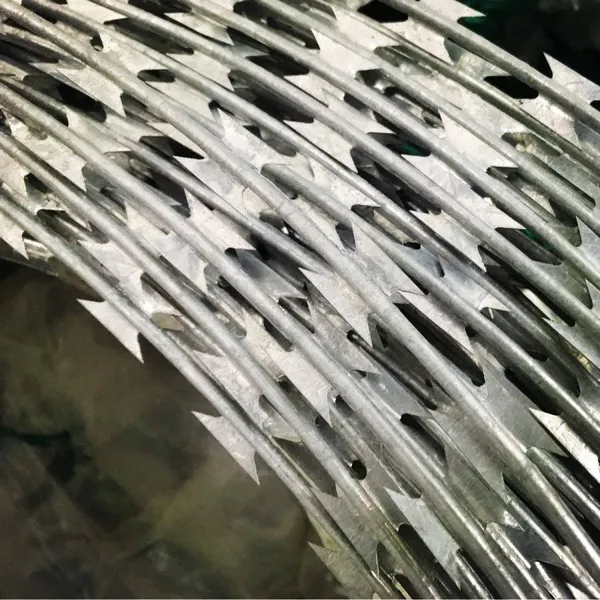
Hot-dip Galvanized Razor Wire, BTO-12, CBT-65, Safety Razor Wire, Rust-proof, 0.5mm Blade Thickness, Fence RollUS$ 7 - 700MOQ: 1 Meter
-
Aluminum Wall Vent Cover With Perforated Metal Mesh Panel With Round Holes to Prevent Rodents From Entering the HouseUS$ 55 - 100MOQ: 1 Blade